
Hosting a summer bash? Don’t let the heat ruin the fun. Learn how to choose, style, and cool down a party tent for your next outdoor event.
There is nothing quite like a Southern California summer. The days are long, the evenings are perfect, and the enticing smell of a backyard grill is practically our state’s official scent. Whether you’re throwing a casual “watermelon bash,” a backyard wedding, or a Saturday afternoon hangout, the outdoors is a great place to be.
But in the summer, there’s one guest that shows up uninvited: the unrelenting sun. What starts as a beautiful afternoon can quickly turn into a “sweat-fest” where everyone is squinting and hunting for a sliver of shade. If your guests are overheating, they aren’t having fun. One of the keys to a successful summer party isn’t the food or the music—it’s your shade strategy.
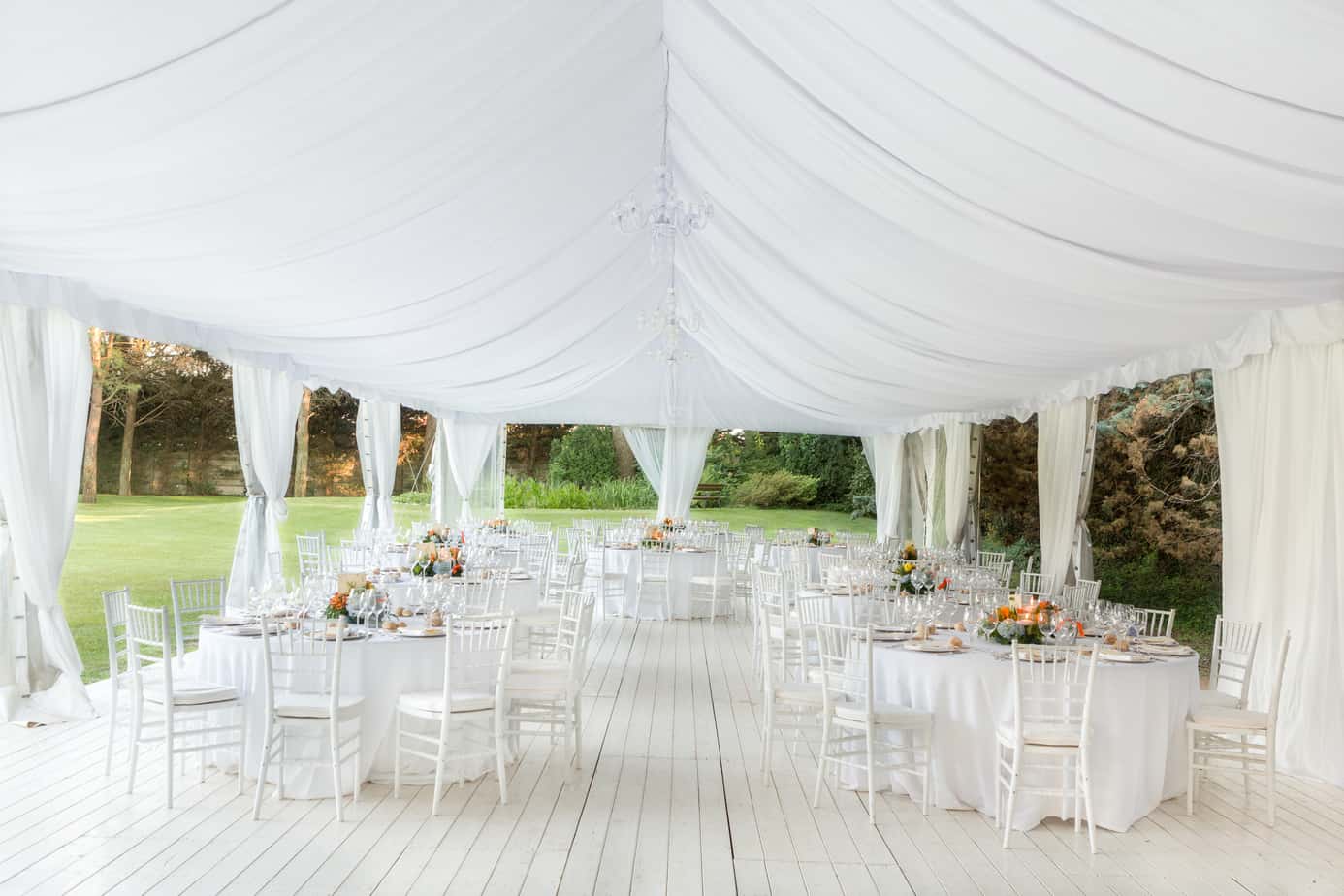
Setting up a tent or canopy is the easiest way to take control of the vibes. It’s more than just a roof; it’s a sanctuary that can significantly lower the temperature and keep the party going. Here’s how to do it right.
Why You Should “Rent a Tent”
We’ve all tried to huddle under a tiny porch overhang or a single patio umbrella. It just doesn’t work for a crowd. A dedicated canopy gives you:
- Instant AC (Almost): A good canopy can make it feel 10 to 15 degrees cooler just by blocking direct UV rays.
- The “Zone”: It naturally tells guests where the party is. It’s where the food, the bar, and the best seats live.
- Food Safety: Nobody wants warm potato salad or a melted cake. For food safety, keep the buffet in the shade (or inside) to maintain its freshness.
Choosing the Right Setup for Your Needs
Pop-Up Canopies
For smaller gatherings or homeowners who host frequently, a 10×10 or 10×20 pop-up canopy is a solid investment.
- Pros: Easy to set up with two people; portable; relatively inexpensive.
- Cons: Less sturdy in high winds; limited coverage area.
- Best for: Intimate gatherings, food stations, or creating a shaded kids’ zone.
Frame Tents
If you are renting for a larger event, a frame tent is often the standard choice.
- Pros: No center pole to obstruct views or layout; can be weighted down on concrete or established patios.
- Cons: Requires professional setup or significant DIY effort; heavier components are used.
- Best for: Dinner parties, dance floors, and driveways.
Pole Tents
These rely on tension and stakes driven into the ground.
- Pros: Elegant sweeping rooflines; generally cheaper to rent than frame tents.
- Cons: Must be set up on grass or dirt (cannot be used on concrete); center poles can block sightlines.
- Best for: Large backyard weddings or lawn garden parties.
Pro Tips for a Cool Oasis
To really “wow” your guests, don’t just put a table under a tent. Get creative!
- The Cool-Down Lounge: Throw some outdoor rugs over the concrete and add some floor pillows or poufs. It creates a relaxed, VIP vibe.
- The Kids’ Fort: Keep the little ones safe from the sun with their own small pop-up filled with bubbles, games, and bean bags.
- Misting Systems: Grab a misting kit at the hardware store and zip-tie it to the tent frame. It’s a total game-changer for those sweltering summer days.
- Airflow is Key: Don’t forget the fans! A couple of oscillating fans attached to the tent poles will keep the air from getting stagnant.
- Cooling Stations: Set up hydration stations in the shaded corners of your tent, featuring large dispensers of ice-cold fruit-infused water or electrolyte drinks. You can take it a step further by having small spray bottles of rose water for an instant, cooling skin pick-me-up!
Make Your Summer Bash a Success
With the right tent or canopy, you can create a comfortable, stylish environment that keeps the focus on fun rather than the heat. Prepare your space, set up your cooling stations, and get ready to host the event of the summer.
FAQs: Summer Party Shelter
Q: How do I know what size tent I need?
As a general rule, aim for 10 square feet per person if people are standing and mingling. If you’re hosting a full sit-down dinner, allocate 15–20 square feet per person to ensure everyone has sufficient space.
Q: Can I put a tent on my driveway or patio?
Absolutely! Frame tents and pop-ups work great on concrete. Since you can’t use stakes, use heavy weights (like sandbags or water barrels) to keep everything secure.
Q: What happens if it gets windy?
Standard rental tents are typically suitable for winds of up to about 30 mph. However, if you’re using a light pop-up canopy and it starts gusting over 15 mph, it’s best to take it down before it catches flight!
Q: Can I grill under the canopy?
Definitely not. It’s a major fire hazard, and the smoke will get trapped under the roof, making your guests miserable. Keep the grill at least 10 feet away from the tent.
Q: Can I hang decorations from the frame?
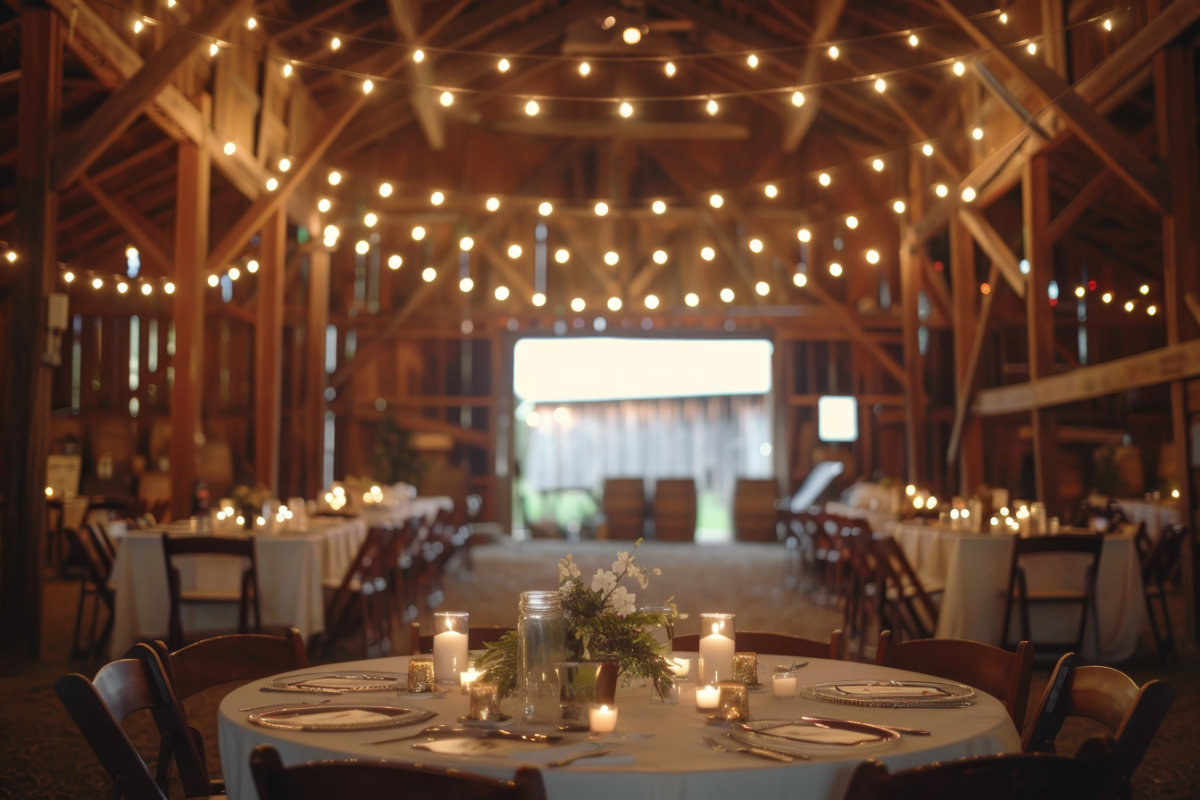
Yes! Lightweight items, such as string lights, paper lanterns, or even light greenery, look amazing. Avoid hanging heavy plants or chandeliers unless the tent is specifically reinforced for them.
Q: Do I need a permit for a backyard tent?
For most small residential parties, probably not. However, in many Southern California cities, once a tent exceeds 400 square feet, a permit from the fire department may be required. It’s always worth checking your city’s website for updates.
Q: What’s the real difference between a “tent” and a “canopy”?
In the rental world, a canopy typically refers to a simple roof providing shade. A tent is a sturdier structure that lets you add side walls for extra privacy or wind protection.
Q: How do I keep it from getting “stuffy” inside the tent?
The best way is to keep at least two sides of the tent open to allow for a cross-breeze. Adding a few clip-on fans to the support poles will also keep the air moving and the guests happy.



Leave A Comment