

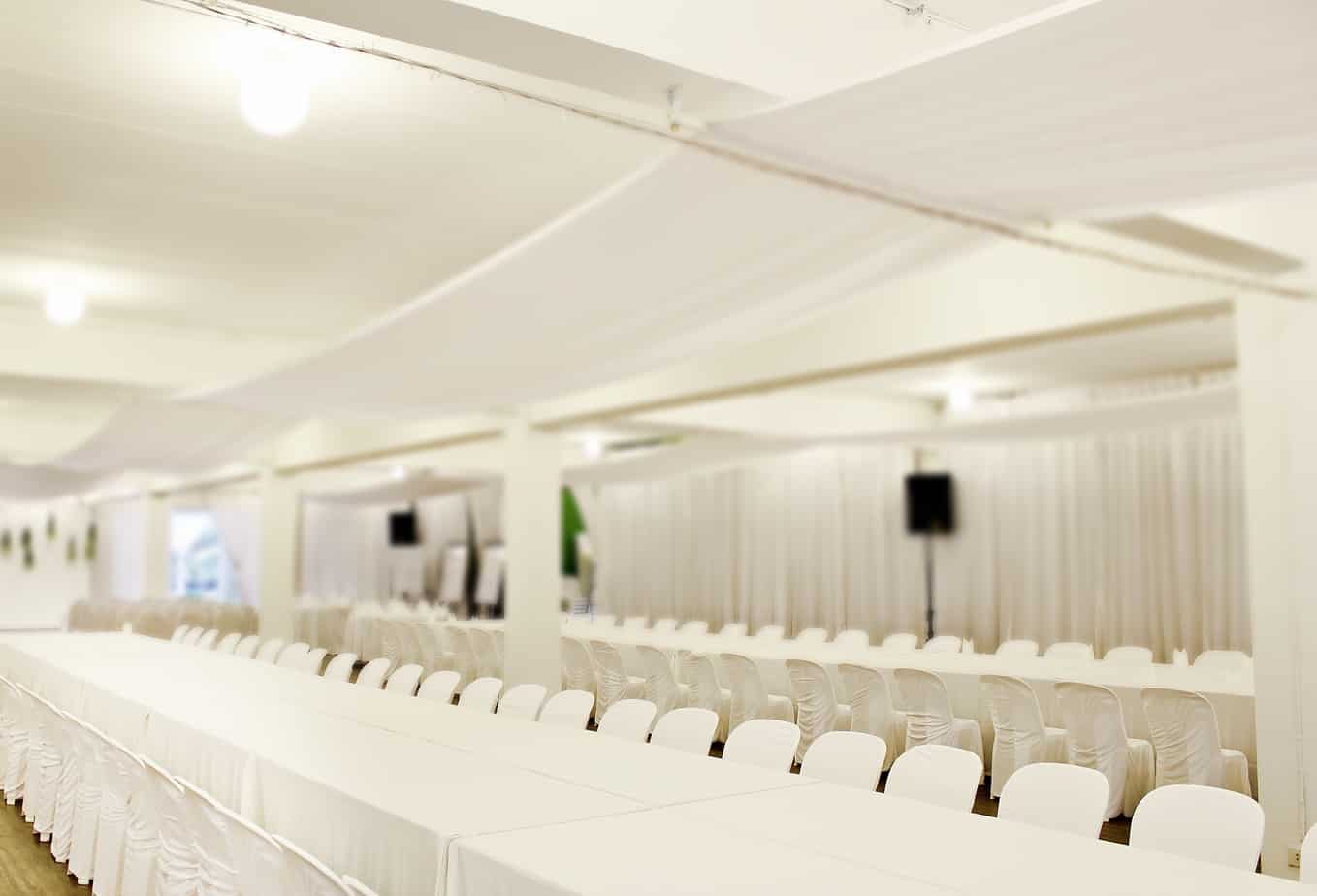
From Daydreams to Concrete Plans
You have your future spouse, the ring, and a head full of ideas. But turning those daydreams into a tangible plan starts with one critical decision: the venue. Until you secure a location, you can’t set a date, hire a caterer, or send out save-the-date cards for your wedding. It is the piece that defines the rest of the picture.
For many couples—especially those who are DIY enthusiasts or homeowners looking to host the Big Day in their backyard — the options can feel overwhelming. Do you go with an intimate garden gathering, a sprawling event barn, or a traditional ballroom?
The “perfect” spot isn’t just about a beautiful backdrop; it’s about balancing your vision with practical constraints, such as budget, weather, and infrastructure. Here is your step-by-step guide to making the right choice without the stress.
1. Define Your Vision First
Before scouting locations, you need a clear baseline. If you go in blind, you might fall for a venue that looks great but fails to meet your specific needs. Ask yourself:
- Ceremony & Reception: Would you like them to be held in the same location?
- Setting: Indoor, outdoor, or a mix?
- Vibe: Rustic, modern, traditional, industrial, or garden-party casual?
Venue Types
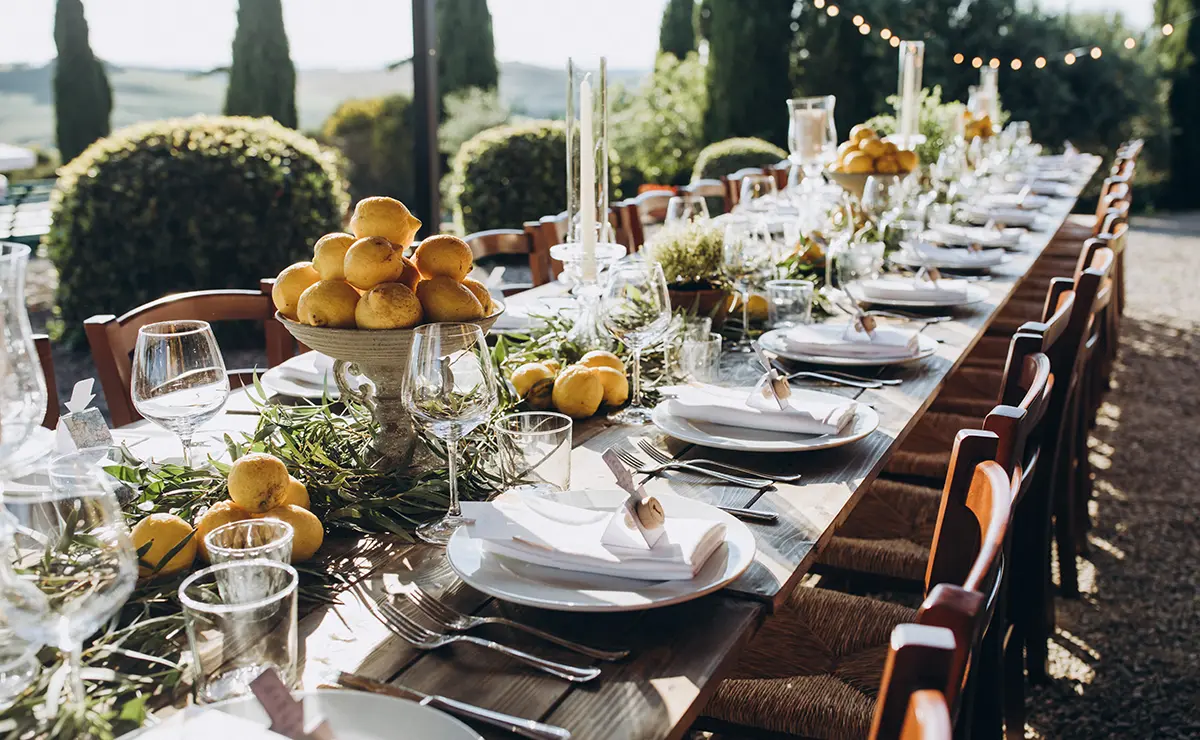
- Outdoor: Local parks, vineyards, beaches, botanical gardens, or private backyards.
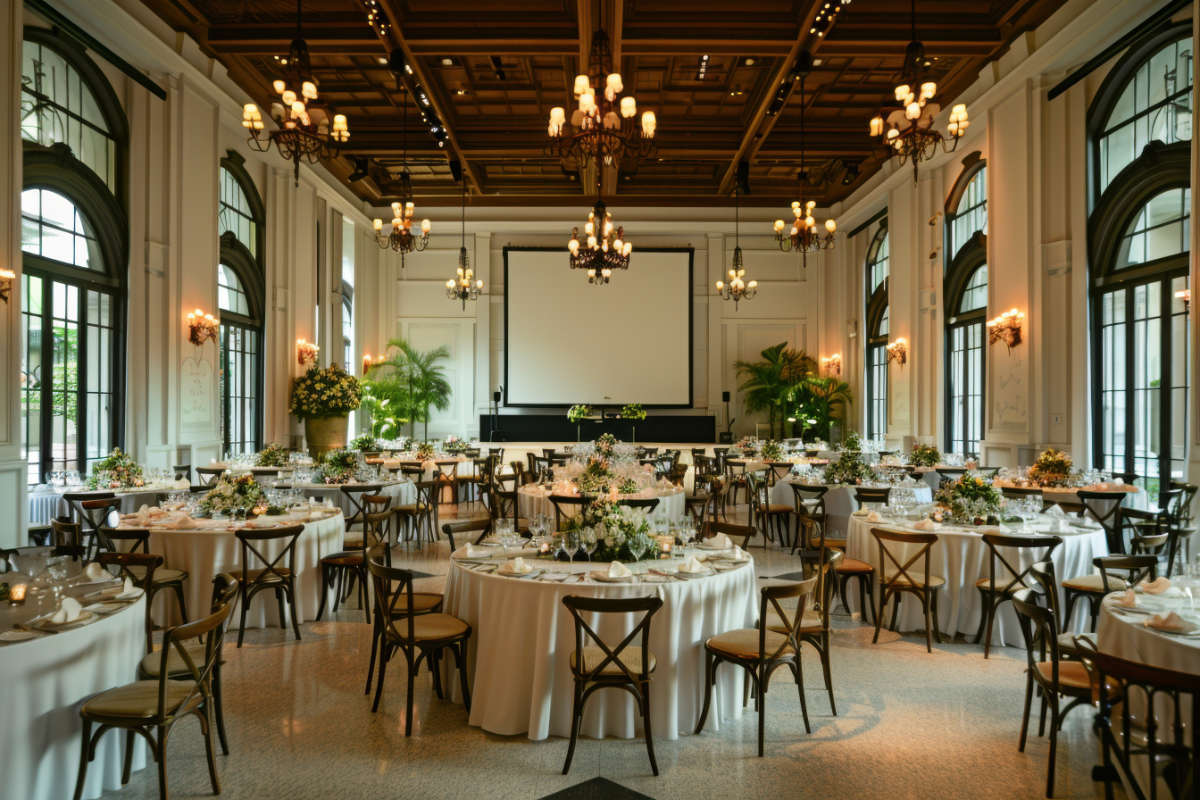
- Indoor: Banquet halls, historic homes, museums, or restaurants.
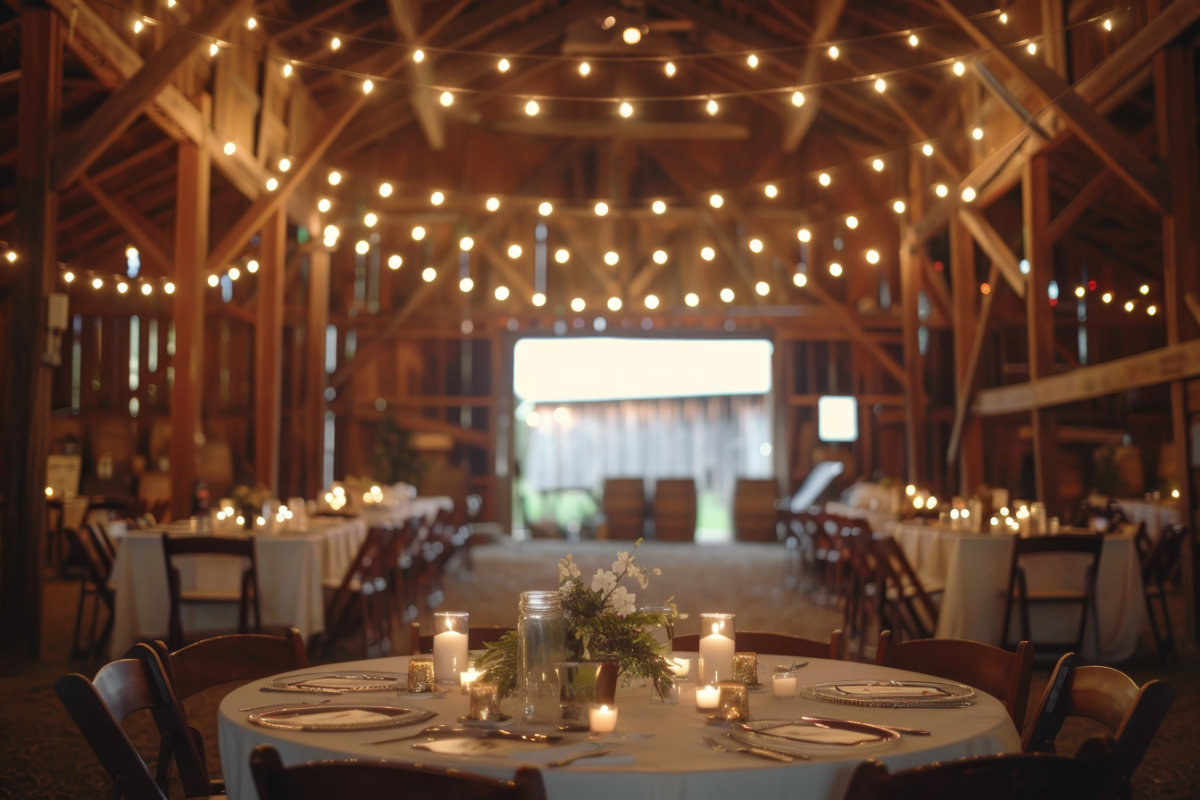
- Hybrid: Event barns or hotels with patio access.
- Traditional: Churches and synagogues (houses of worship)
Once you nail down the “feel,” you can eliminate 50% of the options immediately and focus only on the contenders that match your style.
Houses of Worship as a Venue
For couples whose vision is rooted in tradition and spiritual significance, a church or synagogue offers built-in grandeur with stunning architecture, stained glass, and a sense of reverence that few secular venues can match.
While houses of worship often provide a minimal site fee for members, selecting this option introduces specific logistical constraints: you must strictly adhere to their rules regarding scheduling, decor, music choices (which sometimes require the use of their particular officiant, organist, and wedding planner), and photography restrictions. This choice is ideal for those who prioritize a classic, significant ceremony setting over maximum creative and logistical freedom.
2. The Guest Count Reality Check
Will your celebration be an intimate gathering of your closest family and friends, or a grand event for 150 or more people? Your guest count is the most critical factor that dictates which venues will work, and which ones you can instantly rule out.
Never try to squeeze 200 people into a space designed for 100. It results in a cramped, uncomfortable experience. Every venue has a maximum capacity based on fire codes and safety protocols.
Ask specific capacity questions:
- What is the capacity for a seated dinner?
- Does that number drop if we add a dance floor?
- Is there room for a full band, or only a DJ?
3. Be Realistic About Your Budget
The venue (including catering) often consumes 40% to 50% of your total wedding budget. Be honest with yourself about what you can spend. When reviewing quotes, categorize them immediately.
- Comfortable: Fits easily within your budget. Keep on the list.
- Stretch: Doable if you cut costs elsewhere (e.g., DIY decor). Proceed with caution.
- Out of Reach: Exceeds the limit significantly. Eliminate to avoid heartbreak.
The DIY Cost Warning
If you are considering a backyard wedding or a “raw” venue (such as a park), remember that the rental fee is just the beginning of the costs. You must bring in tables, chairs, linens, lighting, and maybe even portable restrooms. Compare the total cost of rentals + venue fee against an all-inclusive venue to see which offers a better value.
4. Don’t Ignore the Weather
In regions with sunny climates, like Southern California, it is easy to take good weather for granted. However, inclement weather does happen, and the comfort of your guests (and yours!) is a priority.
- Heat: An unshaded lawn in July is punishing. You may need to rent fans, shade structures, or tents to provide additional cooling or protection from the sun.
- Cold: Even in warm climates, temperatures drop at night. Ask about portable heaters for barns or patios.
- Rain: Always have a Plan B. If you are outdoors, confirm the venue allows tents. High-quality tents with side flaps can save the day during a storm.
5. Evaluate Logistics and Infrastructure
A venue might look beautiful, but does it suit your needs? If you are looking at a private home or raw space, you need to adopt a “homeowner mindset.”
- Power: A standard residential outlet cannot handle a DJ’s sound system and industrial coffee makers simultaneously. You may need to rent a generator to avoid blowing fuses.
- Catering Prep: If there is no on-site kitchen, your caterer needs a staging area (usually a prep tent with tables and ovens). Ensure there is a space for this out of sight but close to the guests.
- Accessibility: Check the ground. Is the path paved, or is it gravel, which may be difficult for elderly guests or those wearing heels?
6. Leverage Professional Help
Help is out there! You don’t have to do this alone.
- Event planners can negotiate contracts and often know about hidden gems or private estates not listed on major websites.
- When building a venue from scratch, professional rental companies can calculate the exact size of the tent you need and recommend the best layout for optimal traffic flow.
Make the Decision with Confidence
The pursuit of the “perfect” venue often ends when you realize you simply need the “right” venue—one that fits in your budget, secures your guests’ comfort, and seamlessly supports your logistical needs. By systematically vetting locations based on infrastructure, capacity, and contingency plans, you solidify the base of your entire event. Take a deep breath: the hardest logistical decision is now behind you. With the location secured, the fun begins as you transform that foundation into the celebration of your dreams.
FAQs: Choosing a Wedding Venue
Q: How far in advance should we book a venue?
Ideally, 12 to 18 months in advance, especially for Saturday dates in peak season (spring/fall). Fridays and Sundays offer more flexibility.
Q: What is a “site fee”?
This is the cost to rent the space only. It typically excludes food, beverages, and rentals. Always clarify precisely what is included.
Q: Is a backyard wedding cheaper?
Not always. You save on the site fee, but the cost of infrastructure (luxury portable restrooms, flooring, generators, tents) adds up quickly. It is often comparable to a mid-range traditional venue, but offers high customization options.
Q: Do we need wedding insurance?
Yes. Most venues require a Certificate of Insurance (COI) for liability coverage. If hosting an event at home, event insurance protects you against property damage and potential lawsuits.
Q: What is a Food and Beverage (F&B) minimum?
This is the minimum amount you must spend on catering/alcohol to secure the booking. Common in hotels and country clubs, this may require you to upgrade your menu if your guest count is low.
Q: How much space do we need per guest?
- Seated Dinner with Dance Floor: 15–20 sq. ft. per guest.
- Cocktail Reception: 8–10 sq. ft. per guest.
Q: What happens if we need to cancel?
Read the contract carefully. Deposits are usually non-refundable. Review the force majeure clause to determine the coverage for unforeseen events, such as natural disasters.
Q: What is a force majeure clause?
A force majeure clause (often referred to as “Acts of God” or “Acts of Nature”) is a “safety valve” in a contract. It relieves both you and the venue from liability if an extraordinary, unforeseen event beyond anyone’s control prevents the wedding from taking place. Normal bad weather (such as rain on an outdoor wedding day) does not count. Force majeure only applies if the weather is dangerous or makes the venue physically inaccessible.



Leave A Comment