
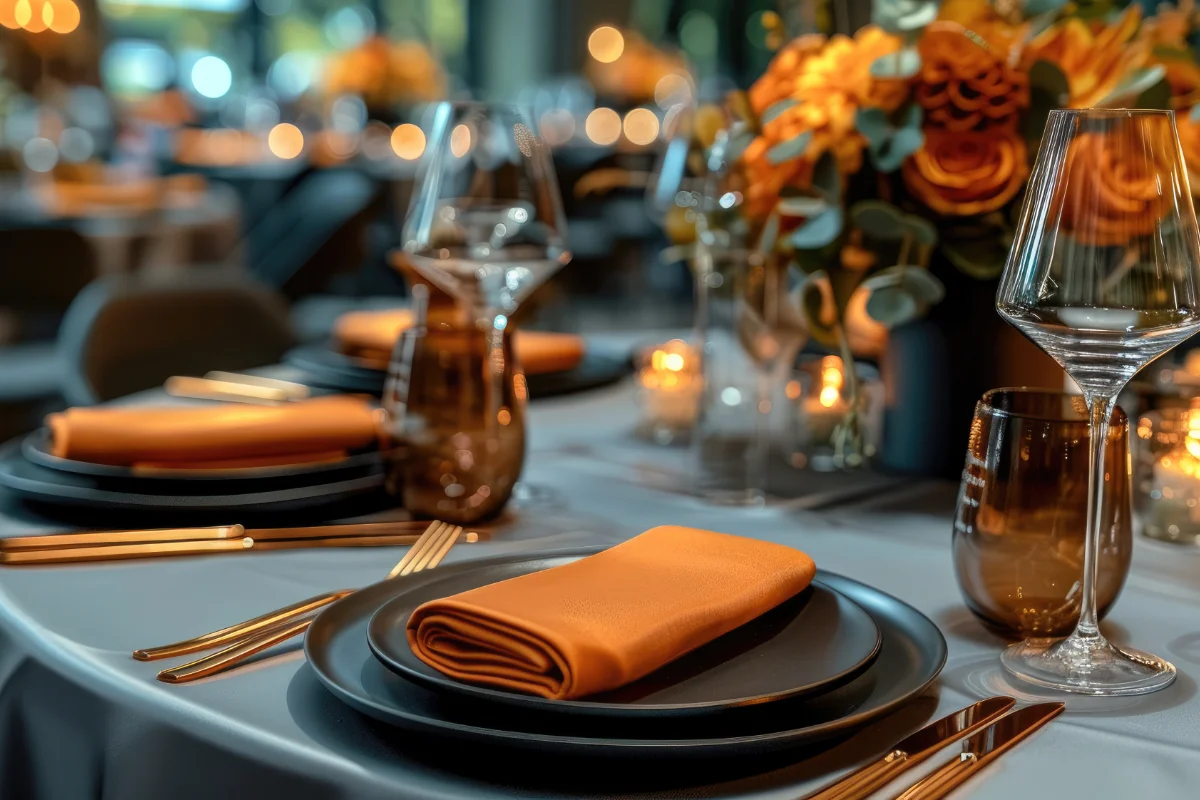
You’ve checked off the big three: great venue, fantastic guest list, and a menu sure to make your event truly memorable. Don’t forget about the linens to help transform a good party into a stunning event.
It’s easy to think of tablecloths as just boring pieces of fabric that keep spills off the table, but they are so much more than that. Linens are the hidden secret to event design, taking up a significant portion of the visual space.
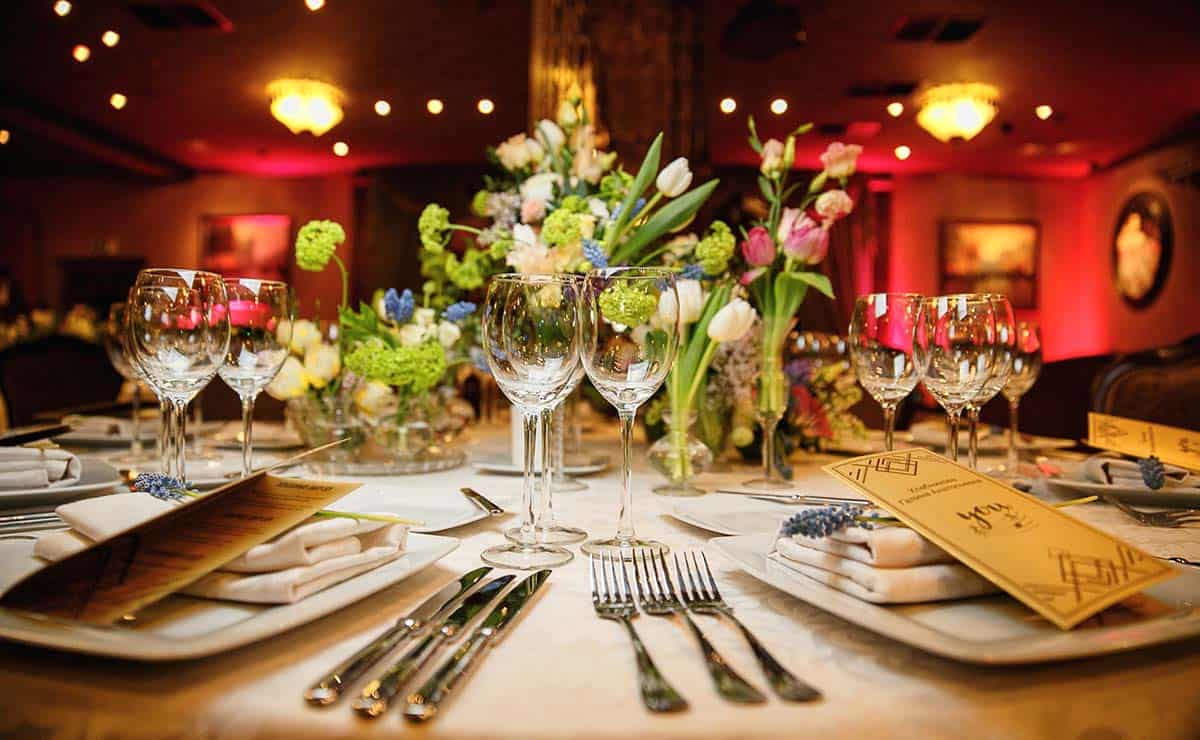
Whether you’re planning a chic backyard wedding, an epic holiday bash, or a milestone birthday, the fabric draping your tables instantly sets the mood. The right choice can transform a basic folding table into a five-star dining experience.
If you’re a planner or host tackling this solo, renting linens is a smart move. It saves you a fortune compared to buying tablecloths you may never use again, and you skip the monumental headache of washing and ironing them afterward.
Ready to cross this task off your list with confidence? This guide breaks down everything you need to know, from selecting the right fabric to understanding how to calculate the correct sizes.
Why Your Fabric Choice is Important
Not all tablecloths are created equal. The material you pick doesn’t just affect the look of your event; it impacts your budget and how well it holds up.
Here’s the rundown of the fabrics you’ll see at most rental shops:
Polyester
- The ultimate workhorse.
- Durable, budget-friendly, and wrinkle-resistant.
- Functional, not fancy. It lacks the soft, luxurious feel of natural fibers.
- Best for corporate events, high-traffic parties, and casual outdoor barbecues.
Cotton
- Classic crisp and clean look. It feels familiar and comfortable.
- Be cautious; it tends to wrinkle, and red wine and dark stains can be a significant headache.
- Best for intimate dinner parties, garden weddings, and events with a relaxed feel.
Satin
- Instant glamour. Its glossy sheen catches candlelight beautifully
- But watch out: it’s delicate. It can snag easily and shows grease spots immediately. Handle with care.
- Best for formal weddings, galas, and dramatic evening receptions.
Linen-Look
- Gives you that desirable, rustic, natural texture without the high maintenance.
- A discerning eye might notice it’s not “real” linen, but it’s usually negligible.
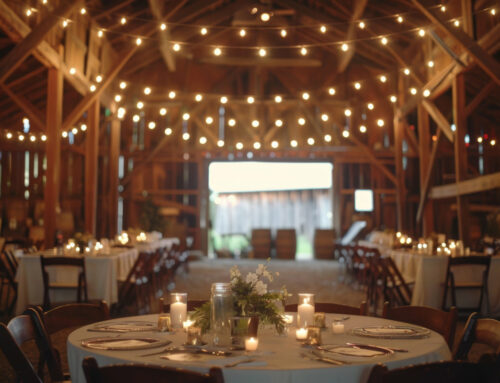
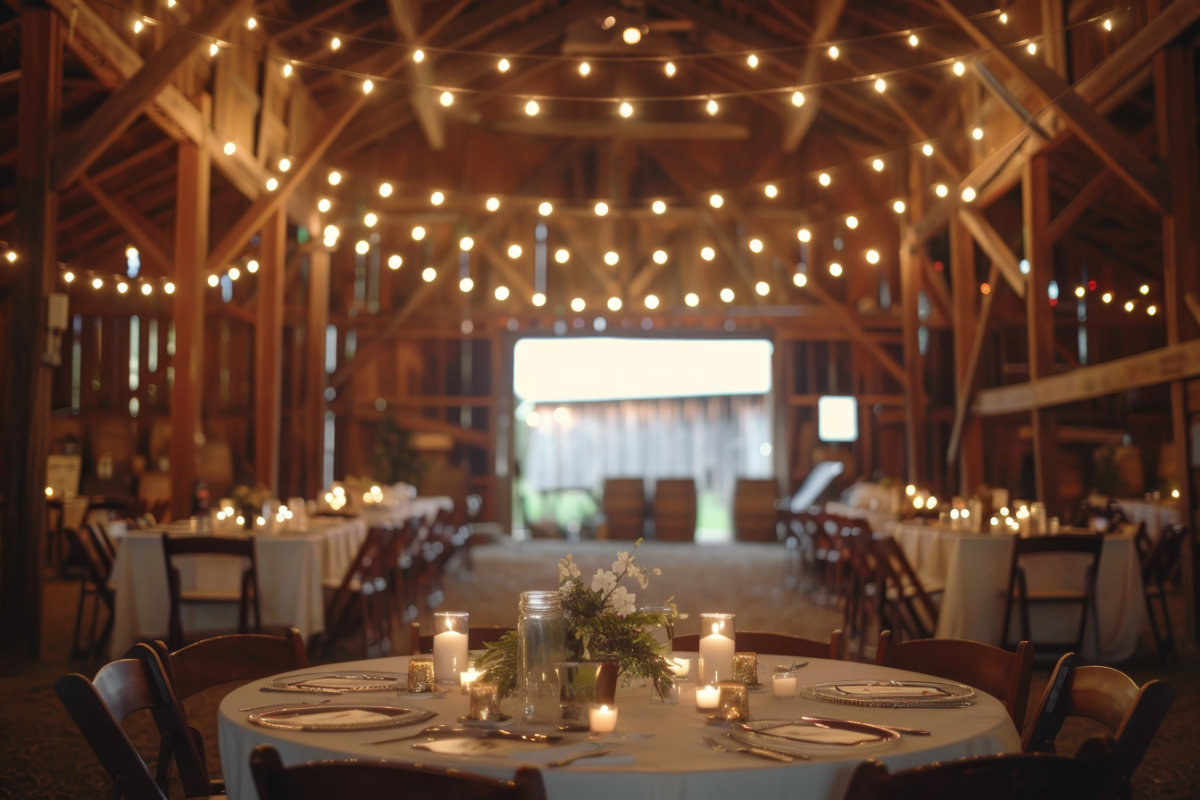
- Best for vintage-themed parties, rustic barn events, and elegant social gatherings.
The Sizing Secret: Mastering the “Drop”
A little math is involved here, but it’s simple. The key term you need to know is “drop.” This is simply the length of fabric that hangs off the edge of the table.
The Two Main “Drop” Rules
- Casual Drop (8–15 inches): The fabric hangs just over the edge, landing neatly on your guests’ laps when they sit down. This is standard for dining and helps keep the fabric off the floor.
- Full Drop (Floor Length): The fabric goes all the way to the floor, completely hiding the table legs. This is the gold standard for a seamless, upscale look and is perfect for formal events or buffet tables where supplies are stored underneath.
Matching Shapes (Don’t Mix and Match)
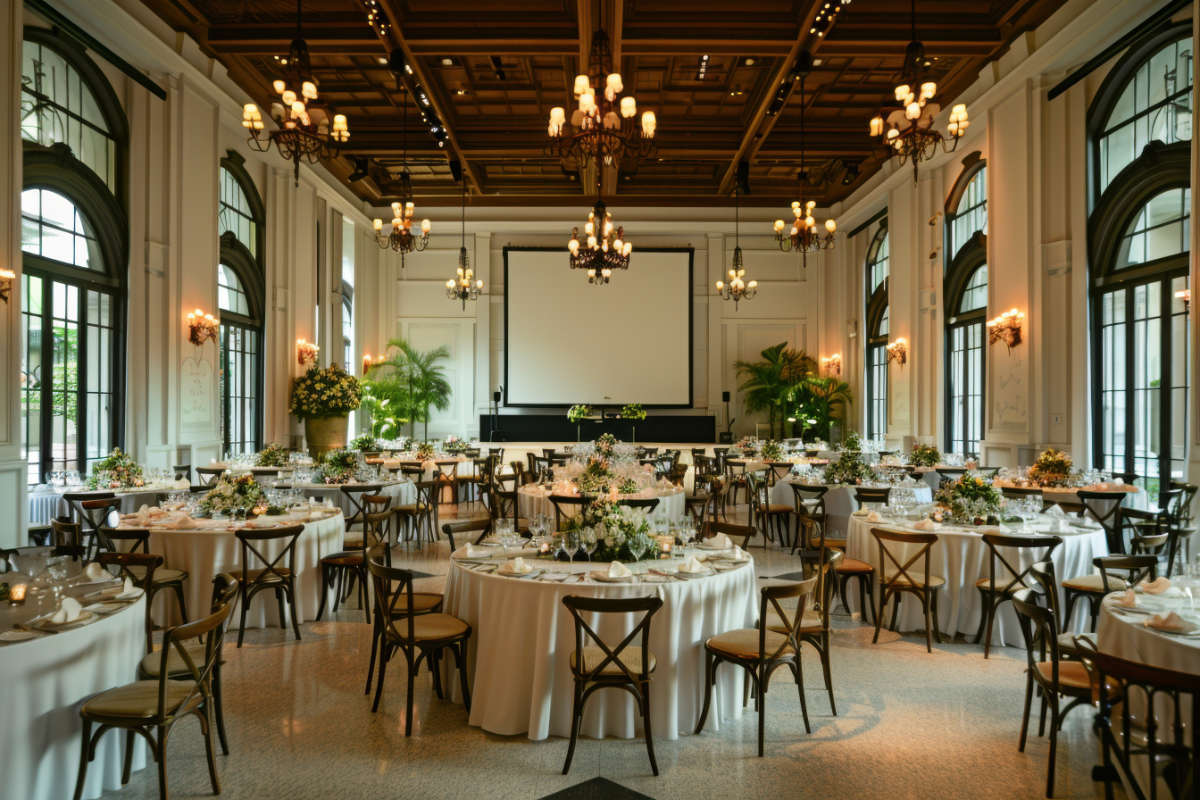
- Round tables need round linens.
- Banquet (rectangular) tables need rectangular linens.
- For an easy way to add color, use a rectangular table runner across the center of a round table.
Coordinating Colors and Setting the Mood
Picking a color is more strategic than just choosing your favorite shade. Your linens should complement the environment.
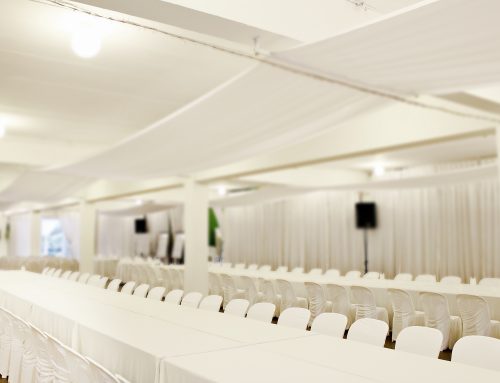
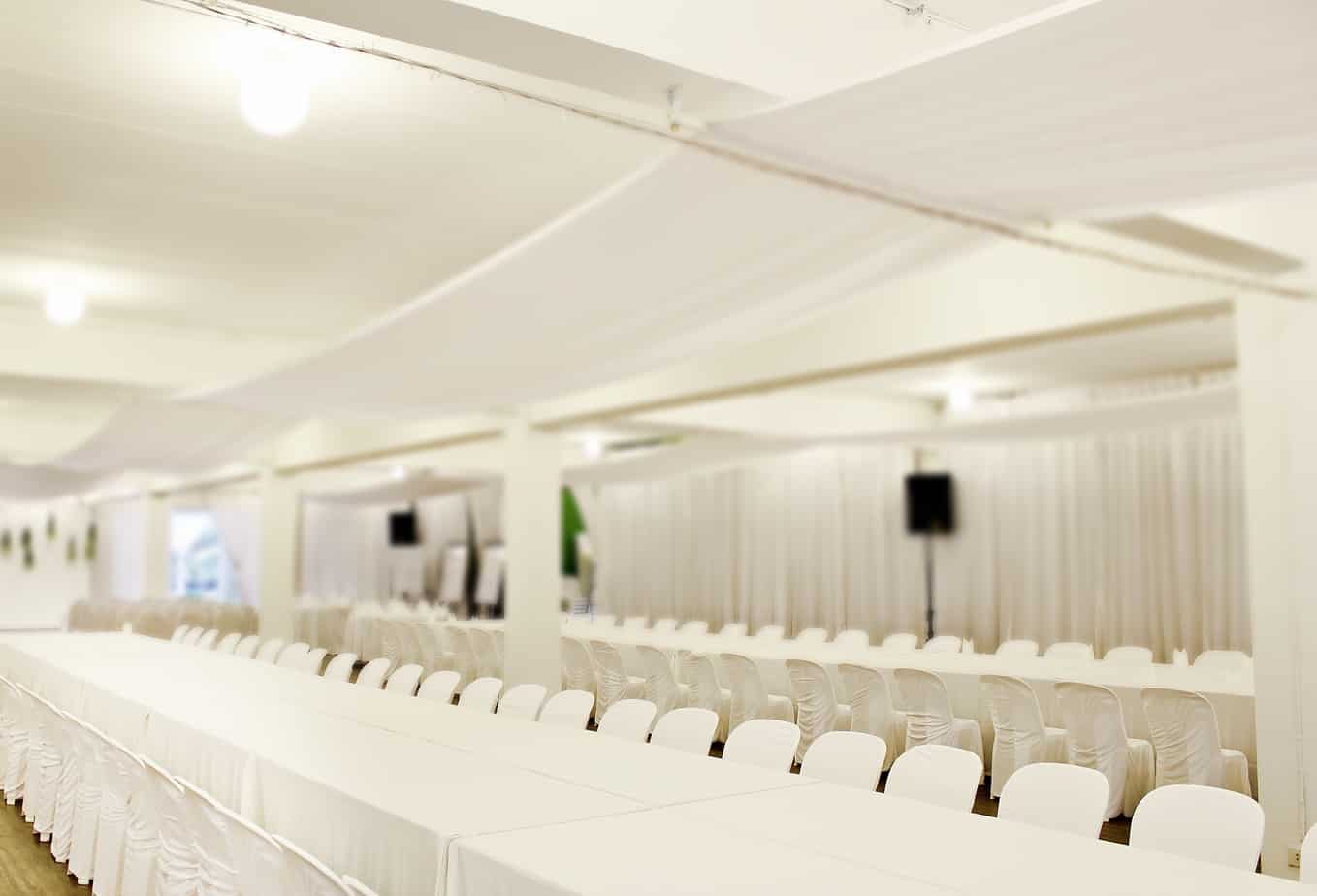
- The Venue Check: Is your venue already busy (patterned carpet, bold wallpaper)? Opt for neutral linens, such as white, ivory, or gray, to keep the room from feeling chaotic. Is the room a blank slate (a white tent, a minimalist gallery)? Go bold! Deep navies, emeralds, or reds can look incredible.
- The Seasonal Vibe: Let nature be your inspiration. Pastels (such as blush, mint, and lavender) feel right for spring. Rich earth tones (such as burnt orange, mustard, olive) anchor a fall event.
- The Event Vibe: Darker colors often create a more formal and intimate feel (think winter galas). Lighter, brighter colors convey an energetic and open atmosphere (perfect for summer brunches).
The Logistics of Stress-Free Renting
Renting should be easy, but it definitely requires planning. Here’s how to manage the process like a pro:
1. Book Early
Don’t procrastinate until the last minute.
- Aim to reserve your linens 3 to 6 months in advance.
- Inventory may be limited. If your event falls during peak season (late spring through early fall), the most popular colors and sizes will likely be reserved quickly.
2. Communicate Your Needs Clearly
When you call the rental company, have all your crucial numbers ready:
-
- Table sizes (measure, don’t guess)
- Number of tables
- Exact event date
- Desired drop length (casual or full?)
3. Understand the Costs
Be sure to budget for more than just the daily rental fee. Ask about:
- Delivery and Pick-Up Fees: Are these fees included, or is an additional charge applied?
- Damage Waivers: What happens if a tablecloth gets ripped or permanently stained?
- Setup Fees: Will they put the linens on the tables, or is that a task for your team? (Usually, it’s on you!)
4. Know the Return Policy
One of the best advantages of renting is that you don’t have to clean the linens. You typically just shake off food scraps and debris and put the dirty linens into a provided bag. However, be sure to check the return deadline. Late fees are real and can add up quickly.
Transform Your Event with Confidence
Event planning is a balancing act, and every detail matters. Renting linens takes one significant stressor off your list, ensuring you get high-quality, perfectly pressed fabrics without the hassle of purchasing and storing them yourself.
By picking the right fabric, measuring your tables accurately, and booking early, you guarantee your event looks polished, professional, and absolutely stunning. It’s the details that can make the most significant impact.
FAQs: Renting Linens
Q: How far in advance should I book my linen rentals?
It’s highly recommended to book 3 to 6 months in advance. This window is key, especially for busy seasons like spring and summer, to guarantee you get the specific colors and fabrics you need.
Q: Do I need to wash the linens before returning them?
Absolutely not! That’s one of the advantages of renting. Most rental agreements cover cleaning in the cost. Just shake off any excess food and debris, and place them in the return bags provided by the company.
Q: What happens if a guest spills wine or stains a tablecloth?
The rental company’s cleaning process typically covers standard food and drink stains. However, you are often charged a replacement fee for permanent damage, such as burns, wax, or severe rips. Always review your contract for details regarding the damage waiver.
Q: Can I iron the rented linens if they arrive wrinkled?
Rented linens usually arrive pressed and wrapped to prevent wrinkles. If you feel they need a touch-up, check the fabric type first. Polyester can handle low heat, but a standard iron can easily damage delicate fabrics like satin or specific linen blends. Ask the rental company first.
Q: How do I determine the correct sizes of tablecloths to rent?
You need three pieces of information: the table’s width and length (or diameter for round tables), and your desired “drop” length. To find the correct linen size, simply add twice the desired drop length to the table’s dimensions.
Q: What is the difference between a lap-length and a floor-length drop?
The lap-length (or casual) drop hangs about 8–15 inches off the edge, sitting just above a guest’s lap. The floor-length drop extends all the way to the ground, concealing the table legs for a more formal, elegant appearance.
Q: Should I rent cloth napkins or buy paper ones?
For any event serving a meal, renting cloth napkins significantly enhances the dining experience and is a more eco-friendly choice. If you are already renting tablecloths, adding matching or coordinating napkins is usually very affordable.
Q: Does the rental company set up the linens for me?
Generally, no. Standard delivery covers dropping off the items at a designated location. Setup and teardown services (where the company actually sets up and takes down the tables) are almost always an optional service that you must specifically request and pay extra for.



Leave A Comment