

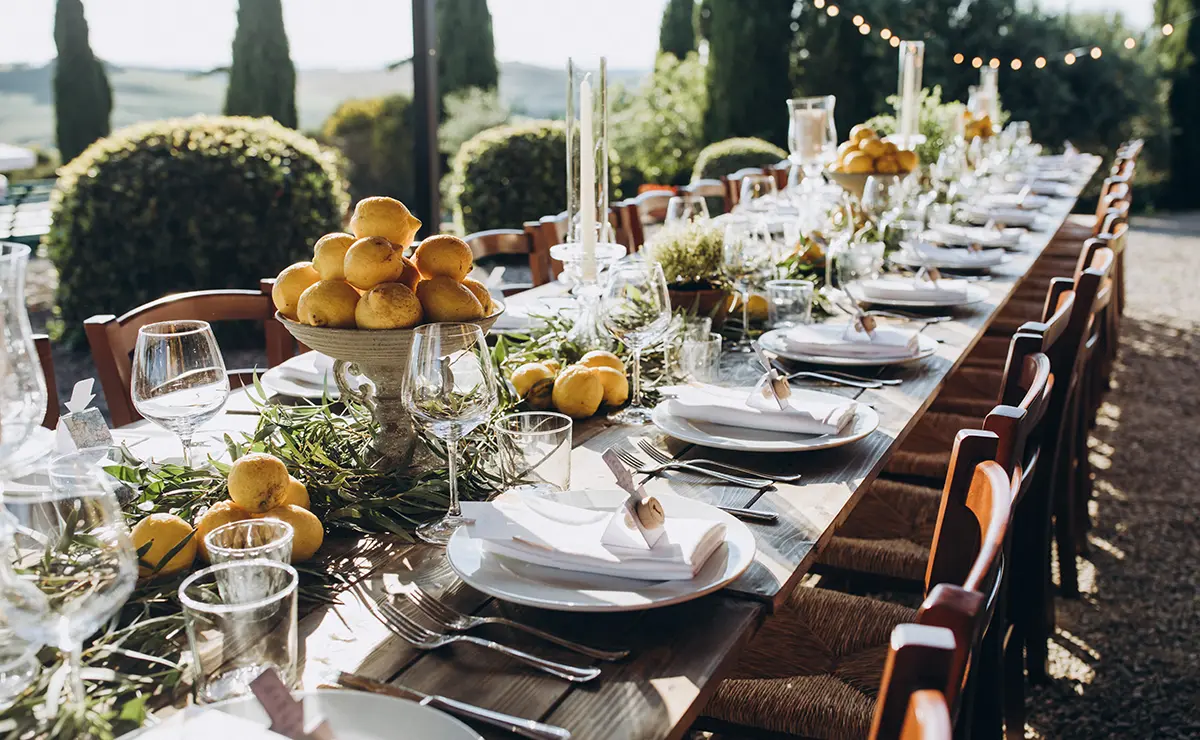
Transforming your backyard into a wedding venue is romantic, personal, and wildly cost-effective — until the sun goes down, the electricity trips, and 80 guests are queuing for one indoor bathroom.
With typical rental budgets ranging from $3,000 to $10,000, pulling off a seamless outdoor celebration comes down to logistics. The right gear creates a luxury pop-up venue; missing key items leaves you scrambling on the big day.
From shelter and seating to sound and sanitation, here’s a complete checklist to ensure your backyard wedding goes smoothly.
1. Tents & Canopies
Tents protect against sun, wind, and unexpected weather, and give your event a defined structure.
- Frame tents: No center poles, so they work well on patios and uneven terrain
- Pole tents: Classic look, requires staking into grass
- Sailcloth tents: Semi-translucent, elegant for evening events
What to rent: One tent large enough to cover your dining and ceremony area. A common rule of thumb is 8–10 square feet per guest for a seated dinner. For 100 guests, that’s roughly a 40×20 tent.
Ask your rental company if sidewalls are included. They’re essential for cooler evenings or windy days in Southern California.
2. Tables
You’ll need more tables than you think. Plan for:
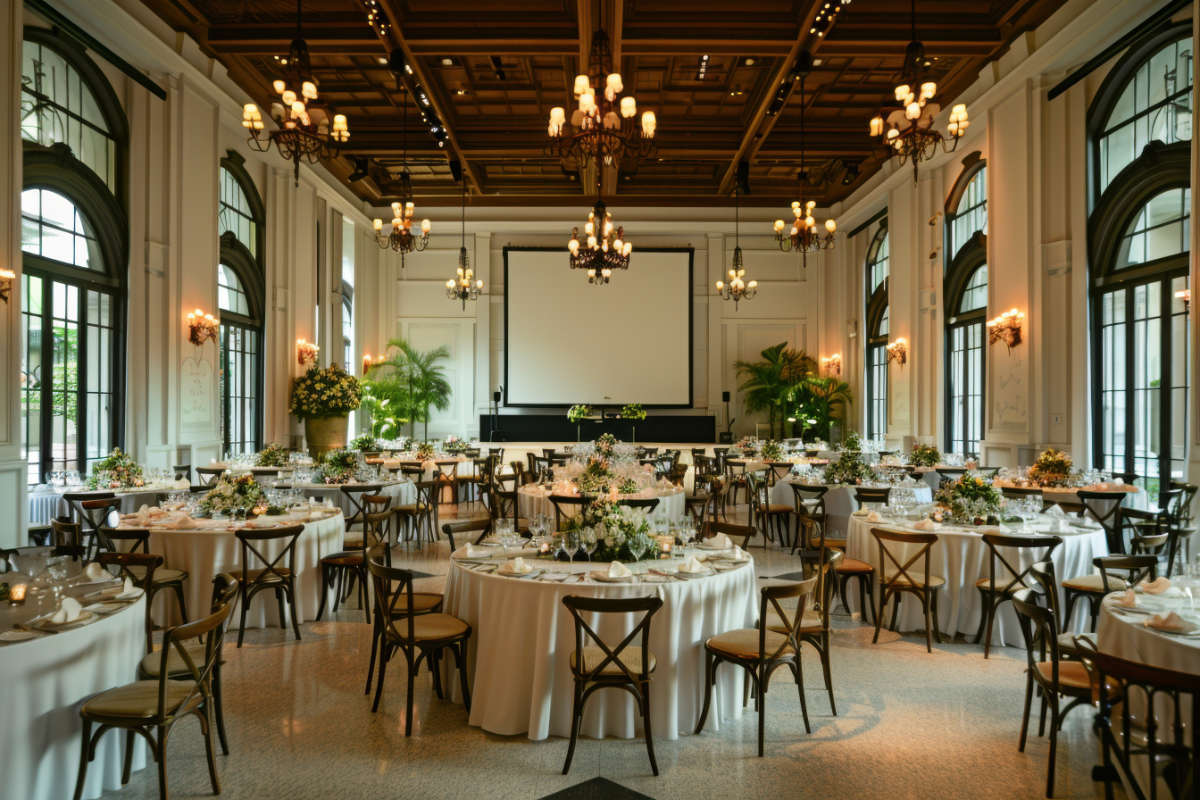
- Round banquet tables (60″ seats 8–10 guests)
- Rectangular farm tables for a more rustic aesthetic
- Cocktail/high-top tables for your reception or cocktail hour
- Sweetheart or head table for the couple
- Gift, cake, and welcome tables
A guest count of 80 typically requires 8–10 round tables plus 4–6 accent tables. Always rent 1–2 extras for a buffer.
3. Chairs
Chairs set the visual tone of your ceremony and reception. Common options include:
- Chiavari chairs: Classic, formal, come in gold, white, silver, and natural
- Cross-back chairs: Rustic and popular for garden weddings
- Ghost chairs: Modern and transparent; great for smaller spaces
- Folding chairs: Budget-friendly for ceremony seating
Rent one chair per guest for the ceremony, then additional chairs for the reception if your layout changes. For 100 guests, plan for 100 ceremony chairs plus 100 reception chairs unless they’re using the same setup.
4. Linens
Linens transform a basic rental table into something polished. Rental categories include:
- Tablecloths (fitted or draped)
- Table runners
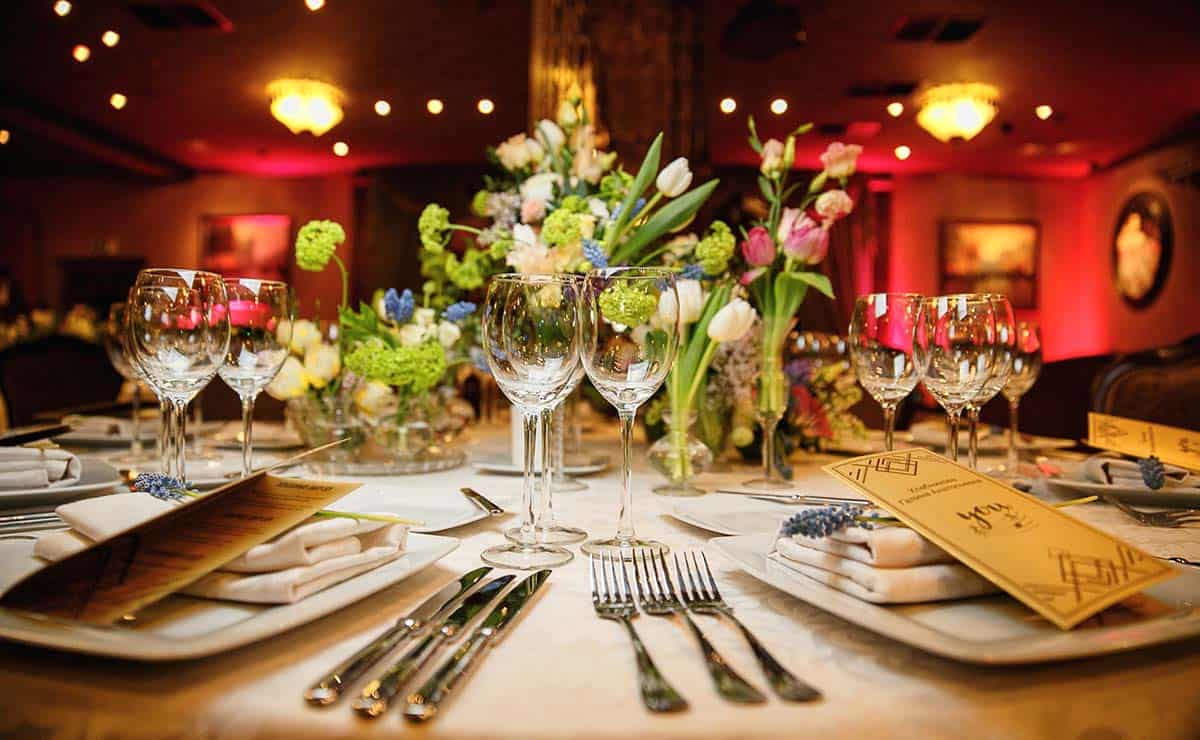
- Napkins (cloth rentals are more elegant than disposable napkins)
- Chair sashes or covers (if using standard folding chairs)
Match your linens to your color palette. Most rental companies offer swatches, so request samples before confirming your order.
5. Lighting
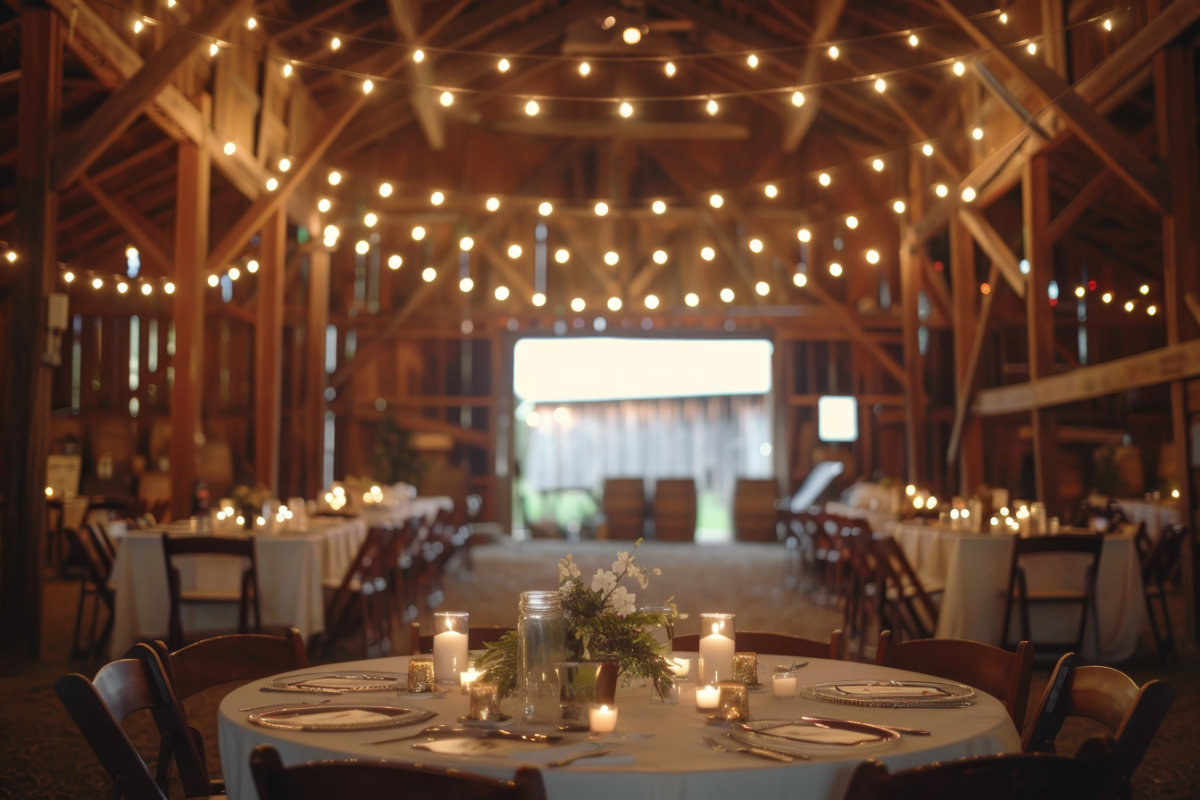
Lighting is one of the highest-impact rentals you can make — and one of the most overlooked.
- String lights / bistro lights: Warm ambiance overhead
- Uplighting: LED units placed around tent perimeters or trees
- Lanterns and candle holders: Table-level mood lighting
- Spotlights: For the dance floor, cake table, or focal points
- Generator: Essential if your home’s electrical panel can’t handle the load
Southern California evenings cool down fast. Lighting keeps energy high as the sun sets. Budget around $500–$1,500 for a solid lighting package for 80–120 guests.
6. Dance Floor
A portable dance floor is a must if you’re hosting a reception with a DJ or band.
- Standard size for 100 guests: 15×15 or 20×20
- Common materials: wood panels, black-and-white checkered, or LED-lit options
- Make sure the surface is level before installation. Your rental company should assess this
Plan for roughly 3–4 square feet per dancing guest. Not everyone dances at once, so calculate based on 40–50% of your guest count.
7. Audio & Sound Equipment
A backyard has no acoustics. Without proper sound equipment, speeches get lost and music falls flat.
Rental options include:
- PA system and microphones for the ceremony and toasts
- DJ equipment (if your DJ doesn’t supply their own)
- Speakers placed strategically around the reception area
Always do a sound check the day before or morning of the event. Confirm with your rental company whether setup and operation are included or if you’re self-managing.
8. Generators
Unless you’ve had an electrician assess your home’s panel capacity, rent a generator. Running string lights, catering equipment, DJ gear, and fans simultaneously can easily trip your home’s breakers.
- A 20–30kW generator handles most mid-size backyard weddings
- Ask your rental company to calculate wattage needs based on your full equipment list
- Factor in generator noise — placement matters for the ceremony and ambient sound
Generator rental typically runs $200–$600/day, depending on size.
9. Restroom Trailers
If your guest count exceeds 50, plan to rent portable restrooms. Your home’s bathroom simply can’t handle the traffic.
Options include:
- Luxury restroom trailers: Climate-controlled, interior lighting, running water — barely distinguishable from indoor bathrooms
- Standard portable units: More affordable, functional, but less elegant
- ADA-accessible units: Required if any guests have mobility needs
For 100 guests over a 5–6 hour event, plan for at least one 2-stall luxury trailer, ideally two. Restroom trailer rental typically runs $500–$1,200, depending on size and duration.
10. Catering Equipment
Unless your caterer is fully self-equipped, you’ll likely need to rent:
- Chafing dishes and fuel
- Serving platters and utensils
- Bars and beverage stations
- Ice bins and coolers
- Buffet tables
- Plates, glasses, and flatware (confirm what your caterer provides)
Coordinate directly with your caterer before finalizing your rental order. Duplicate rentals waste budget; missing items create day-of stress.
11. Heating or Cooling Equipment
Even in summer in Southern California, evenings can get cool. In early fall or spring, temperatures can drop significantly after sunset.
- Patio heaters: Propane units for open areas; $50–$80/unit per day
- Tent fans or air circulators: For summer daytime events
- Misting systems: Effective for outdoor afternoon ceremonies in warmer months
Plan for one heater per 10–15 guests in open seating areas, or cluster heaters near the perimeter of the tent.
12. Ceremony Arch or Altar Structure
Your ceremony focal point sets the stage for the photos everyone will remember.
- Wooden arch: Natural, versatile for most styles
- Metal geometric arch: Modern and minimalist
- Floral arch frame: If your florist needs a structure
- Chuppah frame: Traditional for Jewish ceremonies
Most arch rentals run $100–$300. Confirm whether your florist supplies their own or needs you to rent one.
13. Lounge Furniture
Lounge areas pull double duty. They give guests a place to rest and add visual interest to your reception layout.
Consider renting:
- Sofas and loveseats
- Coffee tables
- Ottomans and poufs
- Accent rugs
A simple lounge vignette for 10–15 guests can be assembled for $400–$800. Outdoor-rated upholstery is ideal for California weather.
FAQs: Wedding Rental Checklist
Q: How far in advance should I book backyard wedding rentals?
Book 6–12 months in advance, especially for summer weekends. Tents, restroom trailers, and dance floors are in high demand and sell quickly during peak wedding season.
Q: Do rental companies deliver and set up the equipment?
Most full-service rental companies offer delivery, setup, and breakdown. Confirm what’s included in your quote — some charge extra for on-site setup or after-hours pickup.
Q: How do I know if my backyard is large enough?
A general rule: allow 8–10 square feet per guest for a seated dinner, plus space for a dance floor, bar area, and any lounge seating. For 100 guests, you’ll need roughly 1,200–1,500 square feet of usable space. A site visit from your rental company can confirm feasibility.
Q: Do I need permits for a backyard wedding?
In many Southern California cities, yes. You may need a temporary event permit, noise permit, or occupancy approval depending on your city and guest count. Check with your local city or county office at least 60–90 days before your event.
Q: What happens if it rains on my backyard wedding day?
A properly sized tent with sidewalls is your best protection. Southern California has a low chance of rain from May through October, but the weather is never guaranteed. Confirm your rental company’s rain policy and whether sidewalls are included or available as an add-on.
Q: Can I rent items from multiple vendors?
Yes, but coordination becomes more complex. Using one vendor for as many items as possible simplifies logistics. If you do use multiple vendors, create a master delivery and setup schedule and assign someone to manage it on the day.
Q: What’s the average cost for backyard wedding rentals?
Costs vary widely based on guest count and style, but most couples spend between $3,000 and $10,000 on rentals alone. Tents, restroom trailers, and lighting are typically the biggest line items. Get itemized quotes from at least 2–3 companies before committing.
What’s the difference between a tent rental and a canopy rental?
A tent is a freestanding, enclosed structure with optional sidewalls, suitable for full coverage and weather protection. A canopy is typically open-sided and provides shade without enclosure. For weddings with 50+ guests, a full tent is almost always the better choice.


Leave A Comment